


 23 September 2026
 On June 9th, Moscow hosted the first meeting of the Vyzov Foundation Board of Trustees. The agenda included a review of the Foundation's performance over three years and its development strategy through 2030. Special focus was placed on strengthening the Foundation's role in science communication, technology development, and expanding international scientific cooperation.
Dmitry Chernyshenko, Chair of the Board of Trustees and Deputy Prime Minister of Russia, noted that over its tenure, the Vyzov Foundation has achieved significant success and continues to expand its impact.
“The Foundation's flagship project – the VYZOV Prize, established by order of our President Vladimir Putin – has earned authority and recognition within the scientific community. In the first three seasons alone, nearly 1,500 applications were received fr om 52 countries. The Prize's international status enables us to attract talented researchers to Russia, while support for Russian scientists helps promote science and raise the prestige of the profession,” said Dmitry Chernyshenko.
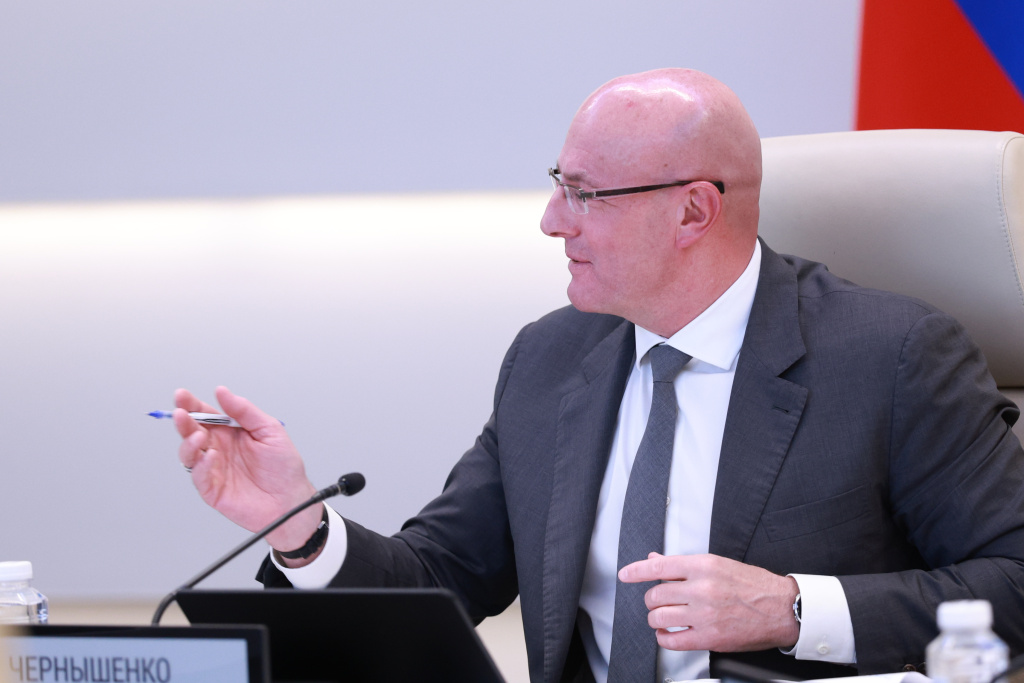 Dmitry Chernyshenko
The Deputy Prime Minister also emphasized that the Prize's distinctive feature is its international scope, which helps create conditions for attracting researchers fr om other countries to Russia.
“The VYZOV Prize is still quite young, yet it is already well known among professionals. I have often heard from people in the scientific community that they follow VYZOV closely and trust its expert standards. For any professional award, that is the most important recognition,” said Konstantin Ernst, CEO of Channel One.
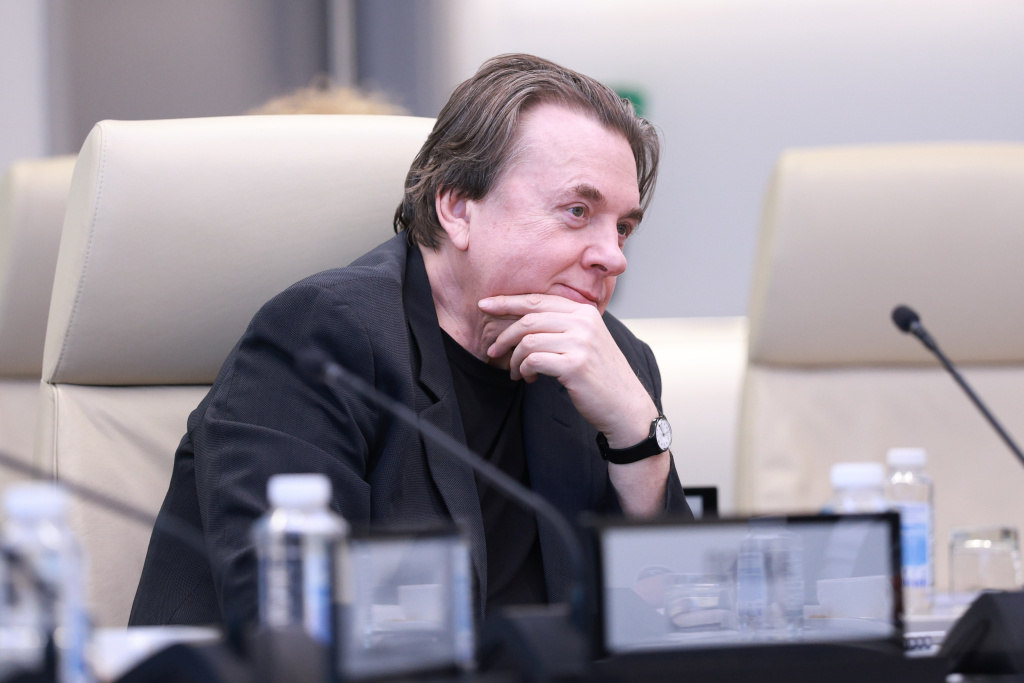 Konstantin Ernst
Since its founding in 2023, the Vyzov Foundation has become one of Russia’s most prominent institutions for science communication. Today, it runs a wide range of projects, including those at the intersection of science and art. Among them are Science Roadshows by VYZOV Prize laureates, the intellectual show Vyzov Sophiko, the theatrical project Voices of the Future, multimedia exhibitions, science outreach lectures, and educational programmes for young people.
“Today, it is not enough to produce outstanding research – it is essential that the public knows about it, understands its significance, and takes pride in the people driving science forward. That is why science communication is an integral part of developing the research environment and one of the most important tools for boosting interest in scientific careers, technology, and innovation. One of the VYZOV Prize’s greatest achievements is that it has made leading scientists visible not only to the professional community but also to a broad audience. We see this as an important convergence between the missions of the Vyzov Foundation and the projects of Innopraktika. I am confident that we have great potential for collaboration and joint initiatives,” noted Natalia Popova, First Deputy Director General of the Non-State Development Institute Innopraktika.
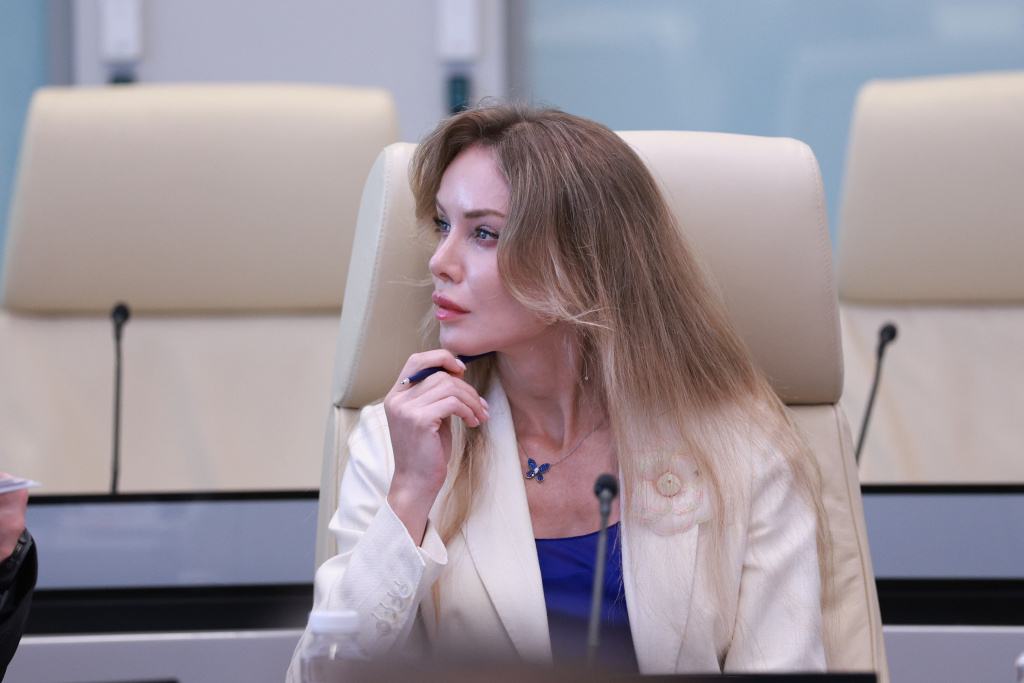 Natalia Popova
The Foundation’s mission is to shape the perception of knowledge, science, and technology as society’s most important values, and to shine a light on the scientists whose achievements are transforming lives for the better.
The development strategy through 2030 sets out several key goals:
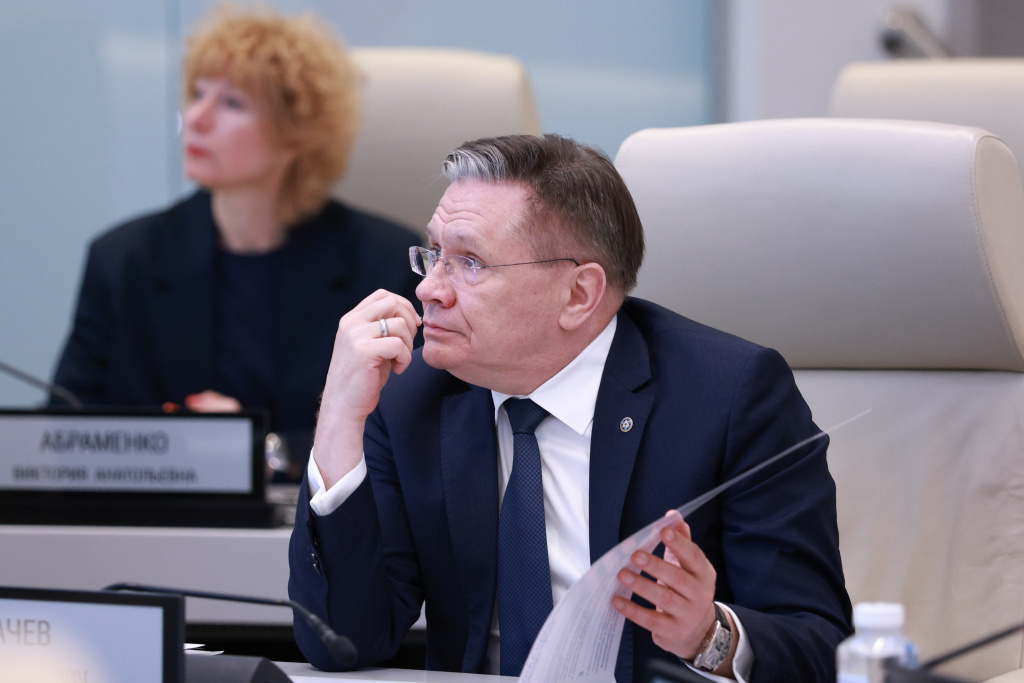 Alexey Likhachev
By 2030, the Foundation plans to expand its international presence, increase partnerships with research organizations and universities, develop its own researcher support programmes, and build communities of experts and science ambassadors.
“Over the past three years, the Vyzov Foundation has brought together a strong community of experts, business representatives, government officials, cultural figures, and everyone who shares the values of knowledge and technological development. Our goal is to create an effective platform for collaboration, wh ere promising research receives support and outstanding scientists become heroes of our time. We want the Foundation to be a place wh ere new partnerships are born, joint projects take shape, and opportunities emerge for promoting the most promising scientific achievements. The development strategy through 2030, adopted today, gives us a clear direction and lays the groundwork for further growth. I am grateful to the Board of Trustees members, our partners, and founders for their trust and support of our initiatives,” said Natalia Tretyak, CEO of the Vyzov Foundation.
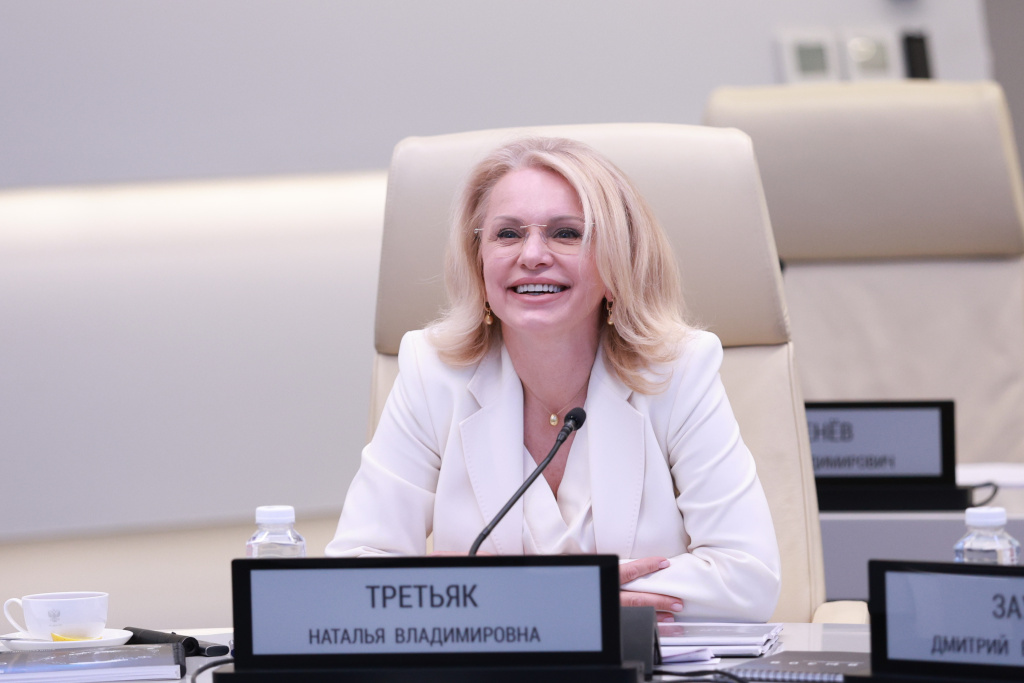 Natalia Tretyak
Following the discussion, Board of Trustees members endorsed the strategy’s main directions and expressed their willingness to support further strengthening the VYZOV Prize’s standing, expanding the circle of partners, benefactors, and participants in the Foundation’s projects. The Vyzov Foundation will continue its work in popularizing science, supporting talented researchers, and developing international cooperation.
“Support for fundamental science and the promotion of knowledge is a long‑term investment in the country's future. The approved Vyzov Foundation strategy through 2030 sets a high standard for uniting the efforts of business, government, and the scientific community. Gazprombank, as a co‑founder of the VYZOV Prize, sees its role in helping create a sustainable infrastructure for talented researchers, so that scientific discoveries become not only groundbreaking but also accessible to a wide audience. We are ready to support projects that make scientists the heroes of our time,” concluded Dmitry Zauers, Deputy Chairman of the Management Board of Gazprombank and member of the Vyzov Foundation Council.
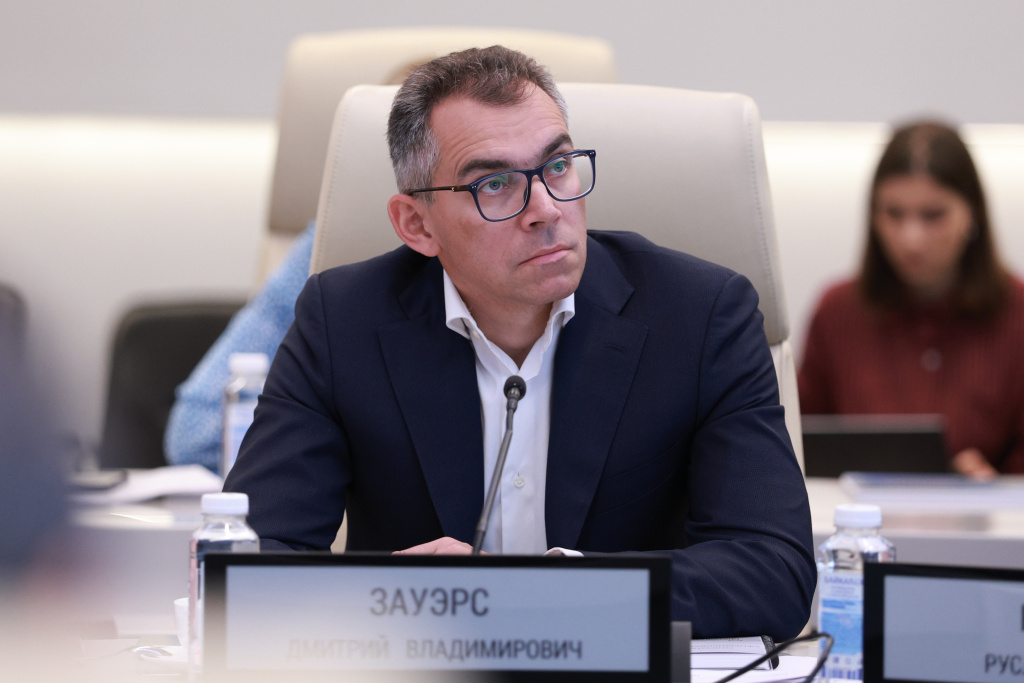 Dmitry Zauers
The meeting was also attended by Alexey Komissarov, Rector of the Presidential Academy of National Economy and Public Administration (RANEPA), and Ruslan Yunusov, Chair of the Vyzov Foundation Council and co‑founder of the Russian Quantum Center.
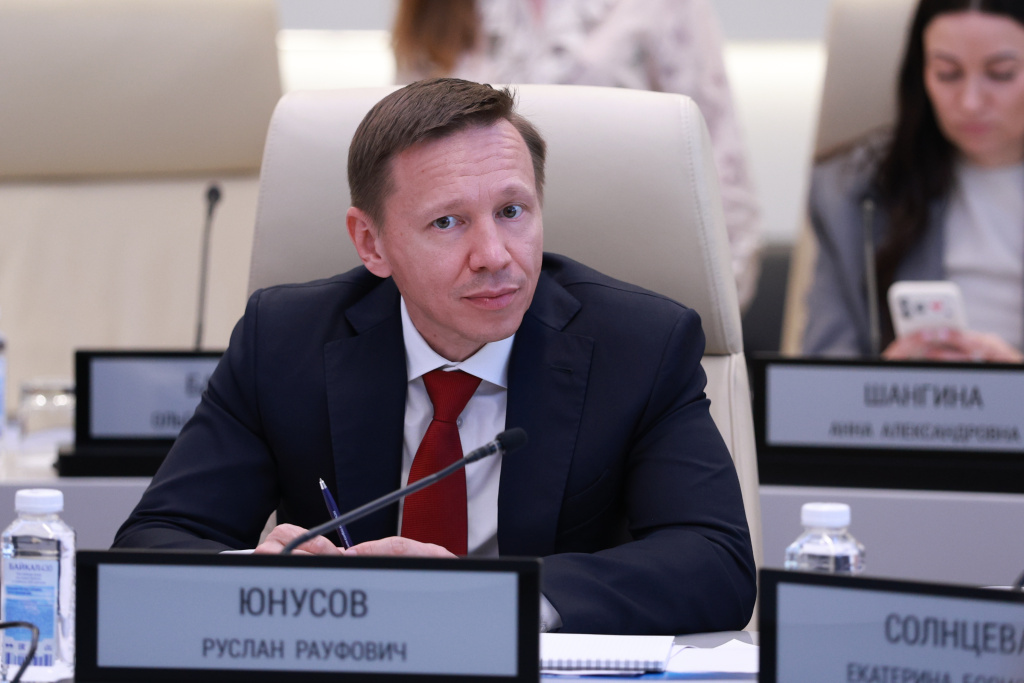 Ruslan Yunusov


