


 21.05.2026
Vera Vil’, Head of the Laboratory of Chemistry of Industrially Useful Products at the Institute of Organic Chemistry of the Russian Academy of Sciences and a laureate of the VYZOV Prize in the Future category, was a guest lecturer in Tula and Perm. She is confident that projects like the Science Roadshow break down stereotypes and bring science closer to a wide audience: “The modern world is incredibly complex, and today's science is on the verge of magic. Thanks to the science roadshow, students, schoolchildren, and their parents can see what kind of research is being conducted in our country and what scientific centers we have. I think this expands their worldview and opens up new possibilities for choosing a future profession.”
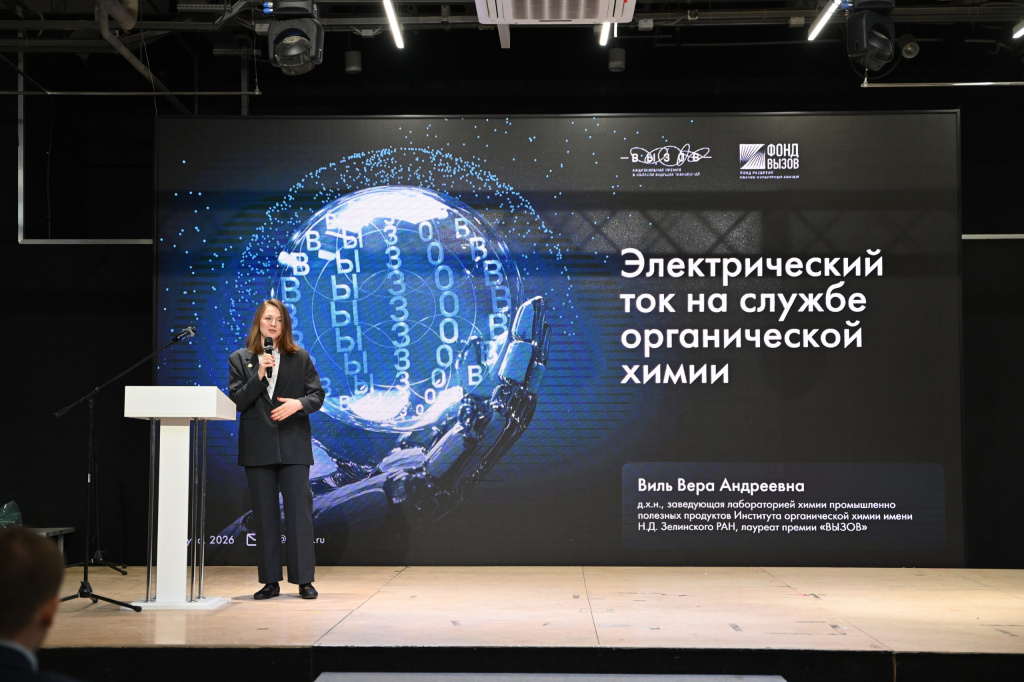 Vera Vil'
Ilia Yampolsky, Senior Researcher at the Laboratory of Chemistry of Metabolic Pathways at the Institute of Bioorganic Chemistry of the Russian Academy of Sciences and a laureate of the VYZOV Prize in the Breakthrough category, brought the world's first glowing plants to Nizhny Novgorod: “We are working to understand how different organisms acquired the ability to glow in the course of evolution. One of the results of our research was the creation of glowing plants, which sparked huge interest among the public. These plants acquired a property they never had before – and that's truly impressive. I hope that the Science Roadshow format will help young people explore their interests across different fields of knowledge and perhaps find something in science they'll want to pursue.”
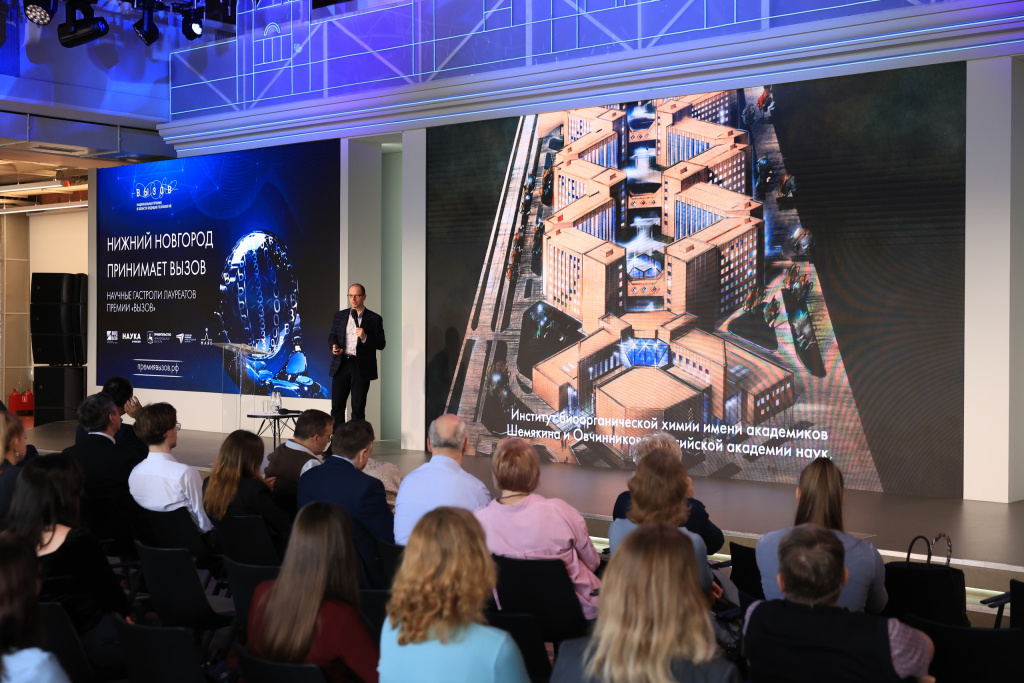 Ilia Yampolsky
Stepan Kalmykov, Vice President of the Russian Academy of Sciences, Head of the Department of Radiochemistry at the Faculty of Chemistry at Moscow State University, and a laureate of the VYZOV Prize in the Scientist of the Year category, spoke about next-generation nuclear energy. During the Science Roadshow, he visited Kazan, Ufa, and St. Petersburg. He believes that science can be made trendy if you talk about it in a compelling way: “Scientists are performers, too, in a way, so my goal is to show that chemistry is interesting, trendy, and modern – so that as many schoolchildren as possible choose chemistry as their future profession. The topic of my lecture is directly connected to what I received the VYZOV Prize for. It's about what largely shapes our lives: our energy future, issues related to spent nuclear fuel, and effective treatments for many diseases, including cancer.”
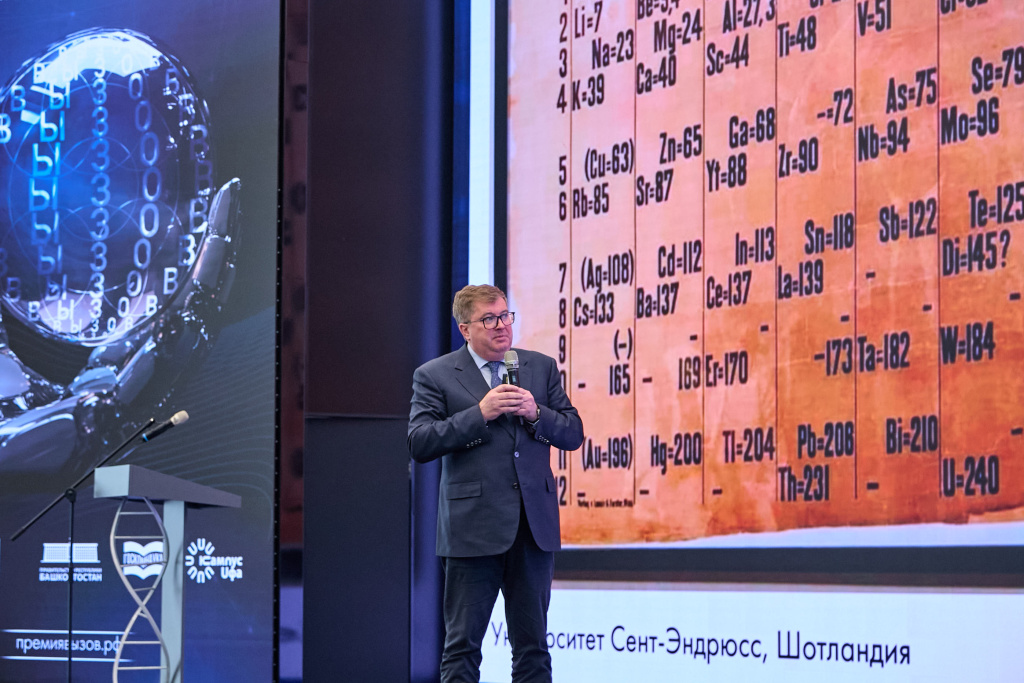 Stepan Kalmykov
Valery Fokin, Professor at the University of Southern California and a laureate of the VYZOV Prize in the international Discovery category, flew fr om Los Angeles to Novosibirsk to take part in the Science Roadshow. He not only presented his invention but also invited the audience to reflect on the nature of scientific discoveries and the role of intuition in science: “I feel at home in Novosibirsk. This is a very interesting and unique place wh ere big science was born. I hope this is my first of many visits here. My lecture tells the story of a discovery and what science does for society today. I wanted to share my work and explain why doing science is interesting and exciting.”
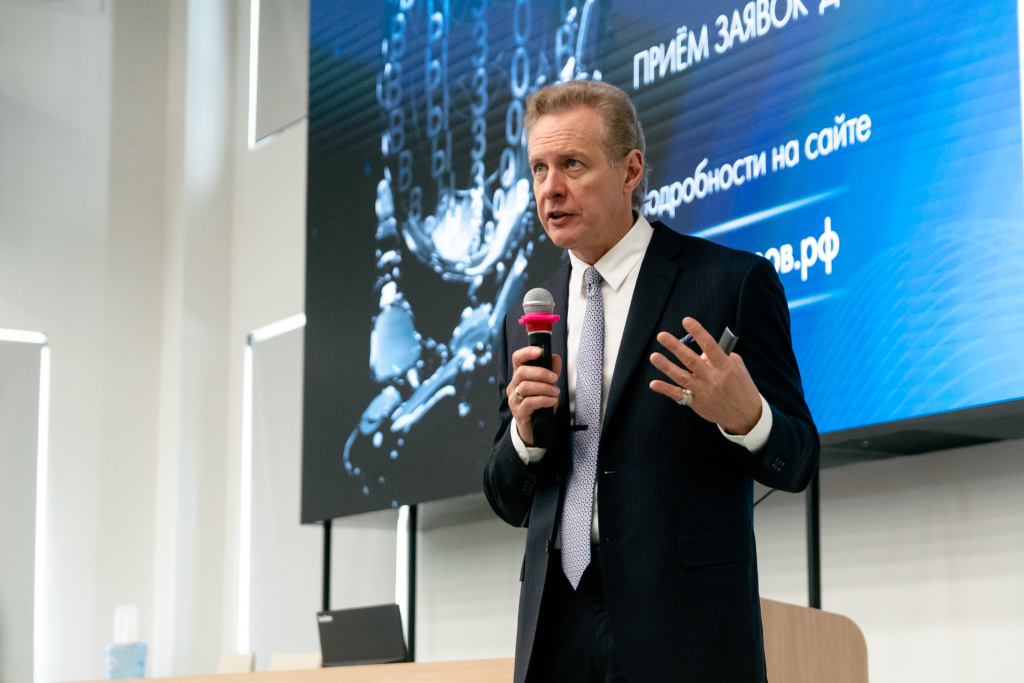 Valery Fokin
In Tomsk, Mikhail Skupov, Deputy Director General of the Bochvar High-Tech Research Institute of Inorganic Materials and a laureate of the VYZOV Prize in the Engineering Solution category, spoke about the role of nitride nuclear fuel in developing next-generation reactors and improving their safety. He is convinced that to popularize science, it is important to step outside laboratories and industrial sites and share achievements with a broader audience: “We shouldn't be afraid of popularity, because it's good for the work we do. It’s not just beneficial to you and your colleagues – it will serve the whole country in the future. We need to overcome the shyness that scientists often have and put in a little more effort. We need to travel, to speak, to engage people – and in doing so, expand the talent pool for the future. If we manage to interest even one talented person, I think we will have achieved our goal.”
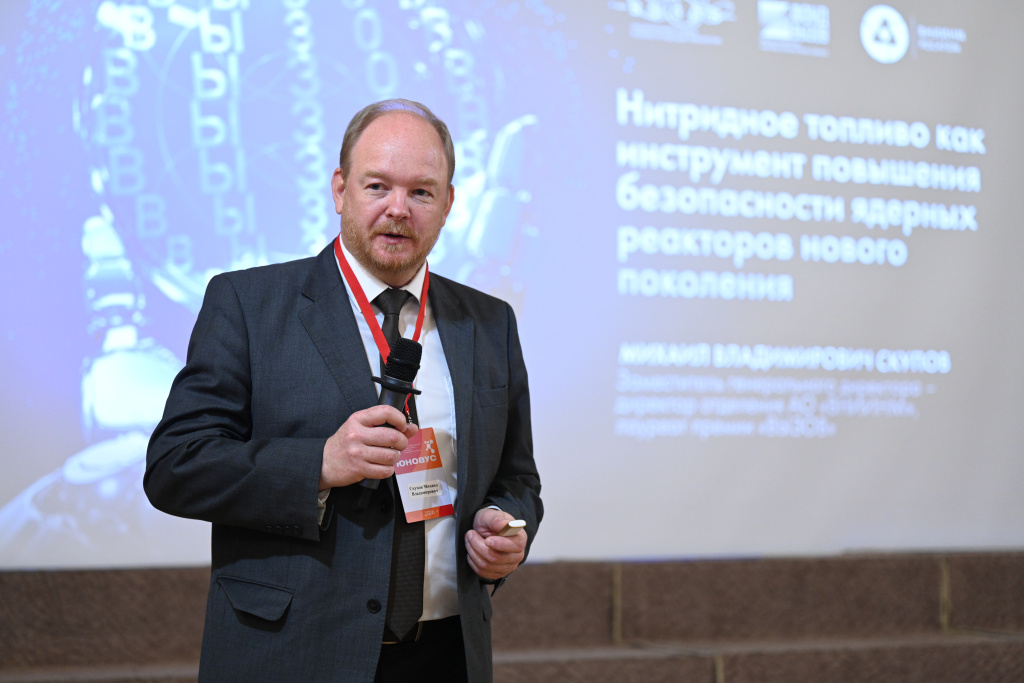 Mikhail Skupov
Not long ago, it was hard to imagine that scientists could compete with showbiz celebrities in popularity. But today, that’s a reality: scientific lectures and meet-ups with researchers draw full houses.
“We are seeing great interest in the Science Roadshow in the regions. Many young people come, as well as adults, business representatives, and even social elites. This format offers people the opportunity to get to know scientists not only as experts and authors of research but also as individuals. I think it’s this kind of live interaction that increases interest in and trust in science – and the desire to be among such successful people,” noted Natalia Tretyak, CEO of the Vyzov Foundation.
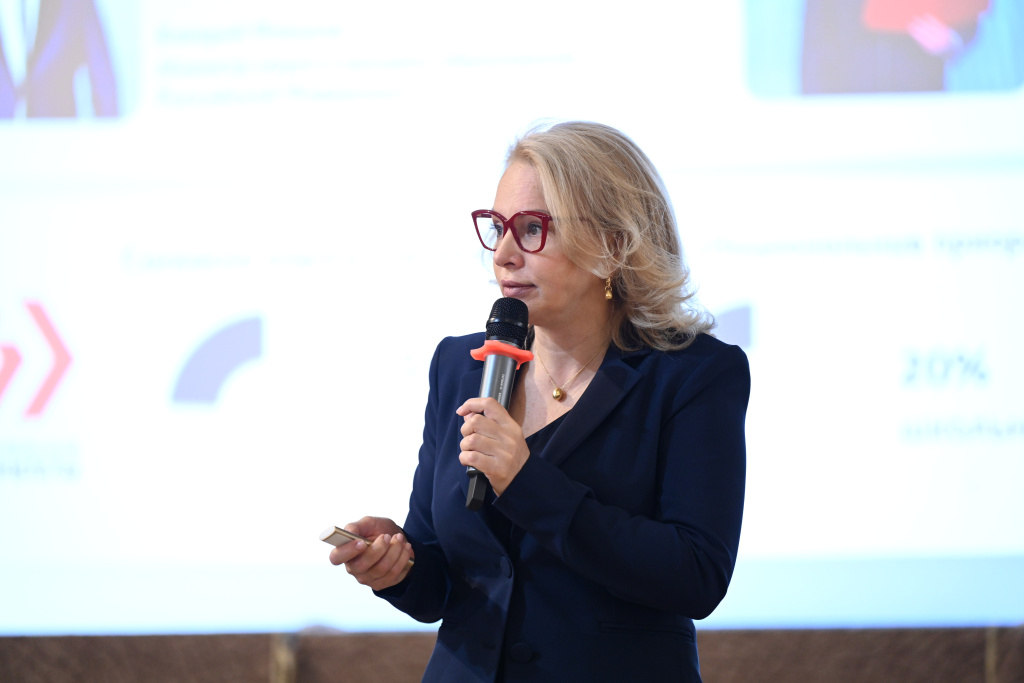 Natalia Tretyak


