


 04.09.2026
 The Eastern Economic Forum (EEF) was held on September 1–4 in Vladivostok, bringing together government, business and the scientific community. Representatives of the Vyzov Foundation took part in the forum’s business program, shared expertise in science and technology and discussed new areas of work with partners.
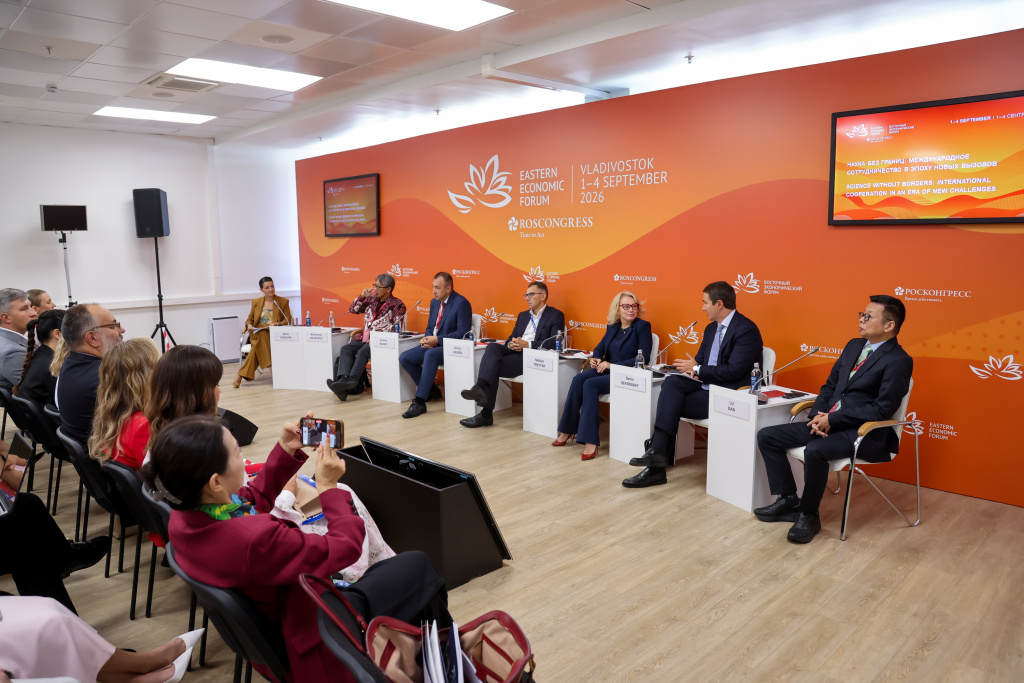
With the Foundation’s support, the EEF hosted the session “Science Without Borders: International Cooperation in an Era of New Challenges”. Participants discussed how researchers from different countries can keep working together despite political restrictions, competition for talent, and a lack of clear rules for collaboration. One of the key takeaways was that the barriers are not on the map but in people’s minds. There are still plenty of opportunities for cooperation today, and Russia plans to make the most of them by launching mega-grant programs for foreign scientists, implementing international scientific projects and creating modern research centers.
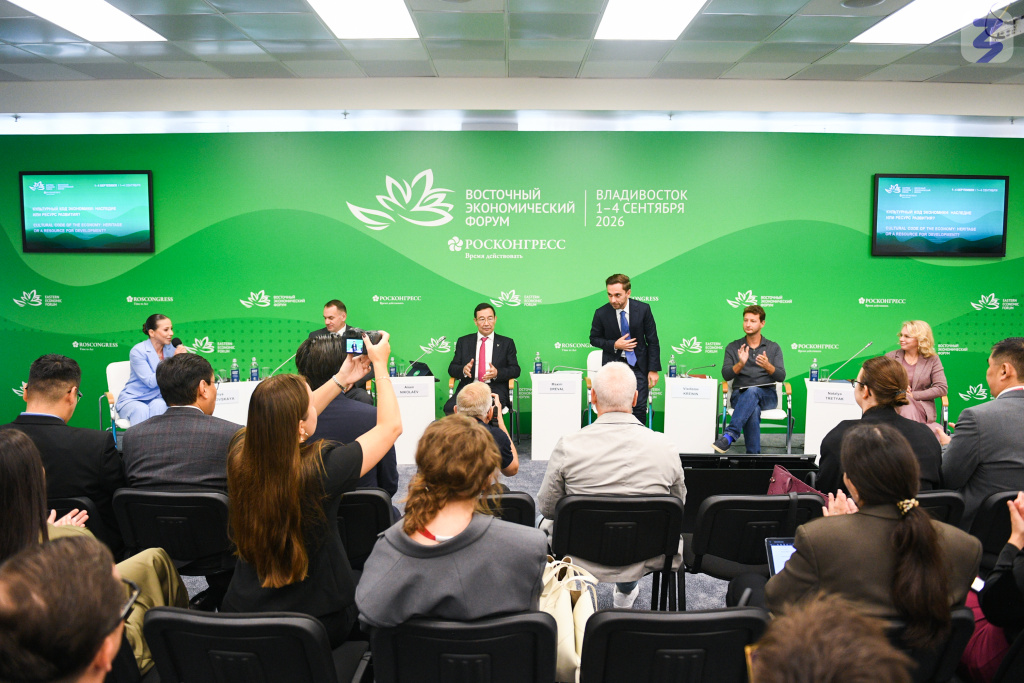
Natalia Tretyak, CEO of the Vyzov Foundation, was one of the speakers at the forum. During the panel discussion “The Cultural Code of the Economy: Heritage or a Development Resource?”, experts explored how traditions and local identity can help regions and businesses grow. The session “Russian Language in Asia: A Bridge Between States, Economies and Cultures” focused on how to turn Russian-language proficiency into a competitive advantage for students, researchers, entrepreneurs and public officials. And at the panel discussion “Skills for the Future: Lifelong Learning in an Era of Technological Shifts,” participants looked at ways to adapt to changes in the labor market and remain in-demand professionals.
On the sidelines of the EEF, three cooperation agreements were signed. Kamchatka Krai and Primorsky Krai, as well as the Federal State Budgetary Institution “Directorate of Scientific and Technical Programs” have become the Vyzov Foundation's new partners. The parties agreed to carry out popular science projects, support young scientists and organize educational events with the participation of VYZOV Prize laureates.
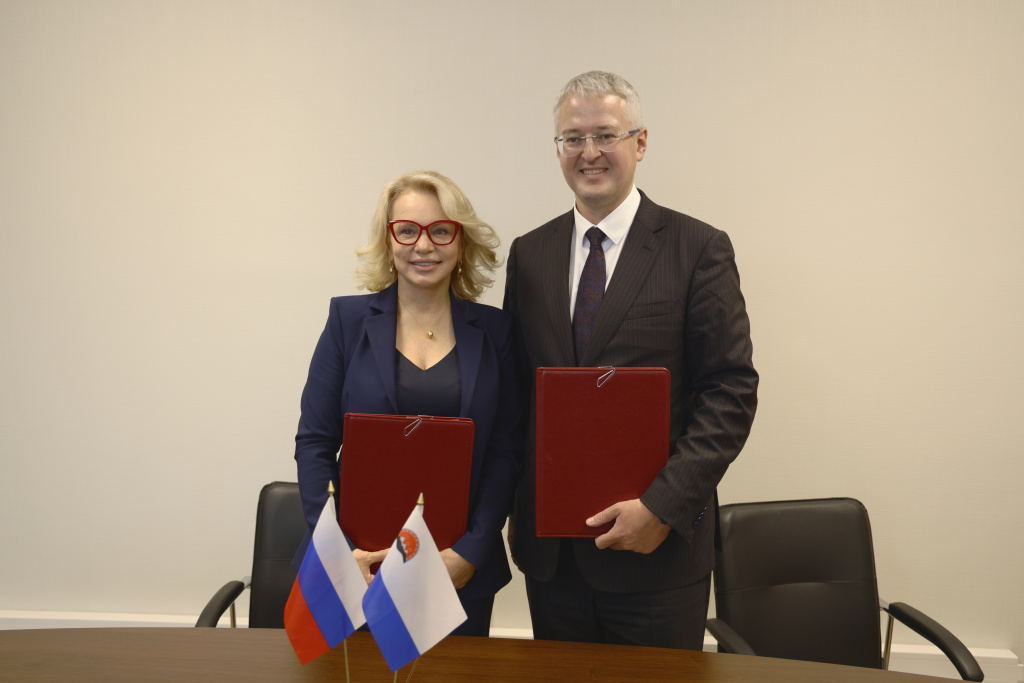 Natalia Tretyak and Vladimir Solodov
At the stand of the Ministry of Science and Higher Education of the Russian Federation, the Vyzov Foundation presented the popular science magazine “Herald of Future Technologies”. The goal of the new publication is to make science clear and engaging. It brings together interviews, guest columns, essays and digests about breakthrough discoveries and the people who make them.
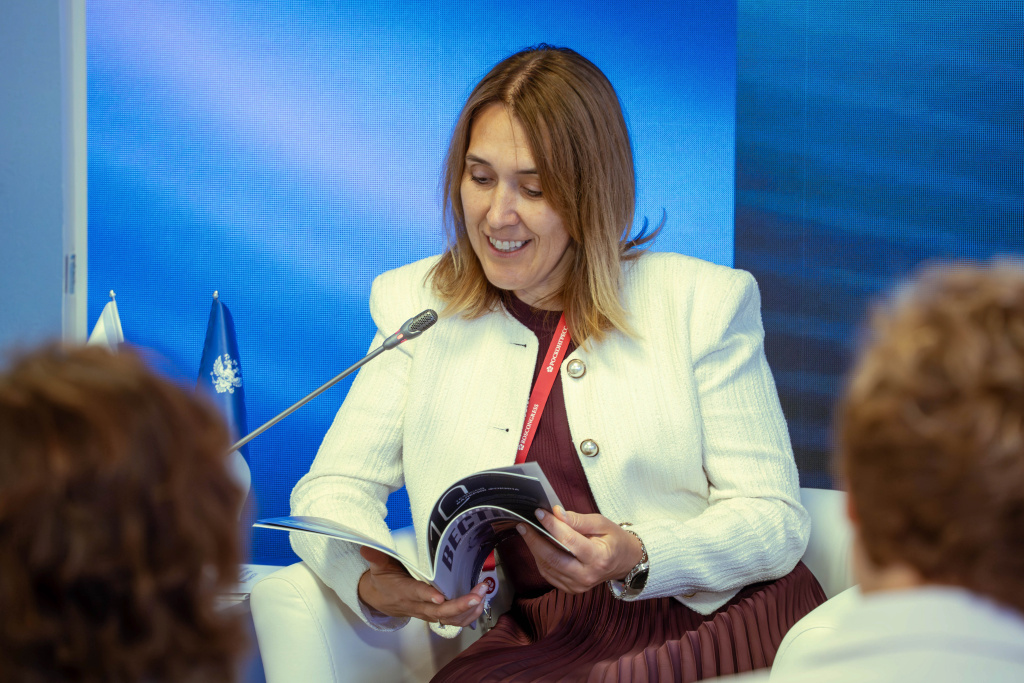 Olga Petrova


